The Enduring Legacy of Pergamon
From a small fortress to one of the most influential Hellenistic kingdoms, discover the remarkable journey of Pergamon through the ages.
The Birth of a Hellenistic Power
The story of Pergamon begins in the tumultuous period following Alexander the Great's death in 323 BC. As his generals carved up his vast empire, a modest hilltop fortress in western Anatolia would emerge as one of the ancient world's most remarkable kingdoms.
Philetaerus, originally a trusted officer under Lysimachus, seized control of a substantial war treasury stored at Pergamon. This act of opportunism in 281 BC established the foundation for what would become the Attalid Dynasty, though Philetaerus himself never claimed the title of king.
Under his nephew Eumenes I and successors, Pergamon transformed from a treasury fortress into a major political and cultural center that would rival even Alexandria.
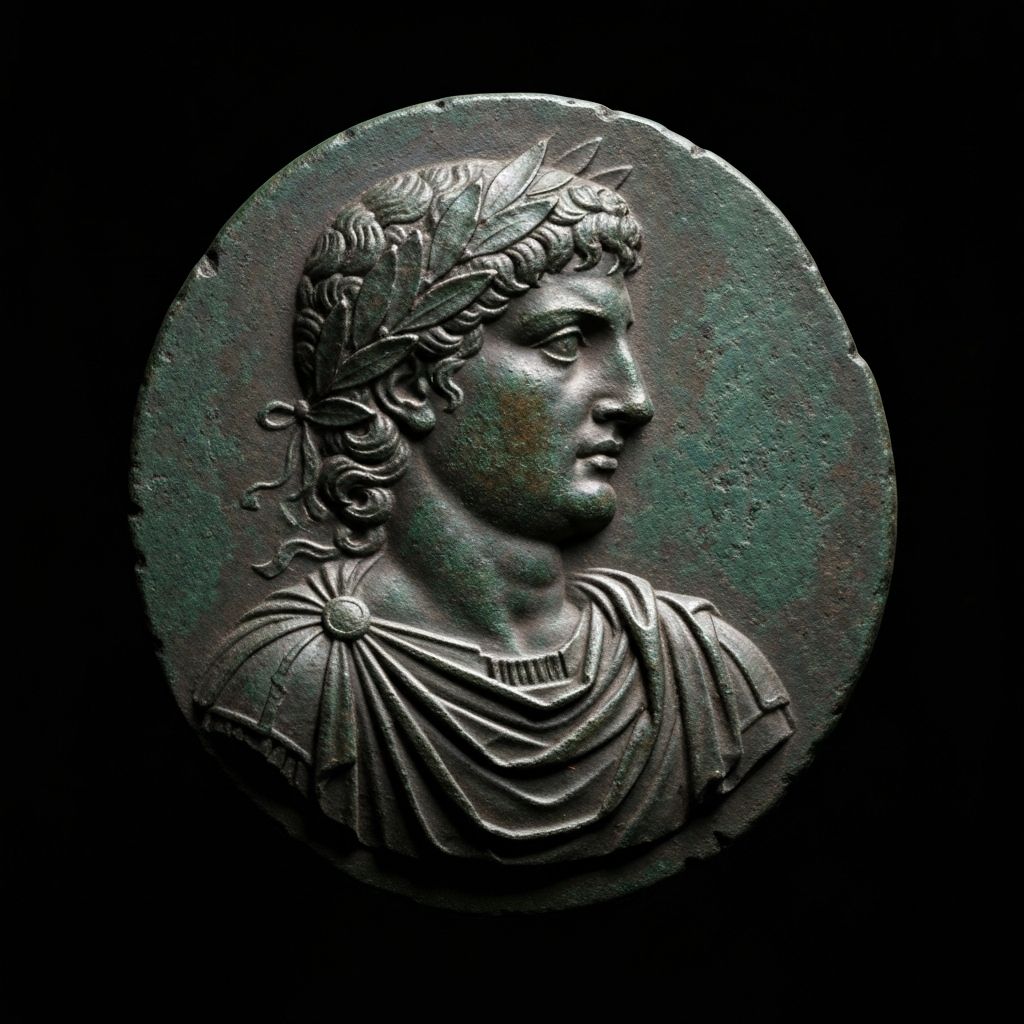
Historical Timeline
Key moments that shaped Pergamon's destiny from an independent kingdom to a Roman province.
Foundation of the Kingdom
Philetaerus establishes independent rule, laying the foundation for the Attalid Dynasty after breaking from the Seleucid Empire.
Golden Age under Attalus I & Eumenes II
The kingdom reaches its peak with major cultural achievements, including the famous Library and the Great Altar of Zeus.
Treaty of Apamea
Following Rome's victory over the Seleucids, Pergamon gains significant territory in Asia Minor as a Roman ally.
Bequeathed to Rome
Attalus III dies without an heir and bequeaths his kingdom to the Roman Republic, forming the Province of Asia.
Temple to Augustus
Pergamon becomes a center of the Imperial Cult with the construction of a temple dedicated to Emperor Augustus.
Peak of Roman Prosperity
The Asklepion becomes one of the most famous healing centers in the Roman world under physician Galen.
The Attalid Dynasty: Patrons of Culture
The Attalid kings were not merely warriors and politicians; they were passionate patrons of art, literature, and science. Under their rule, Pergamon became a beacon of Hellenistic culture that attracted scholars, artists, and philosophers from across the Mediterranean world.
The Great Library
Second only to Alexandria, the Library of Pergamon housed over 200,000 scrolls. The rivalry between the two libraries allegedly led to the invention of parchment (pergamena) when Egypt restricted papyrus exports.
Artistic Innovation
The Pergamene school of sculpture developed a dramatic, emotional style exemplified by the Great Altar's frieze, depicting the battle between gods and giants with unprecedented dynamism.
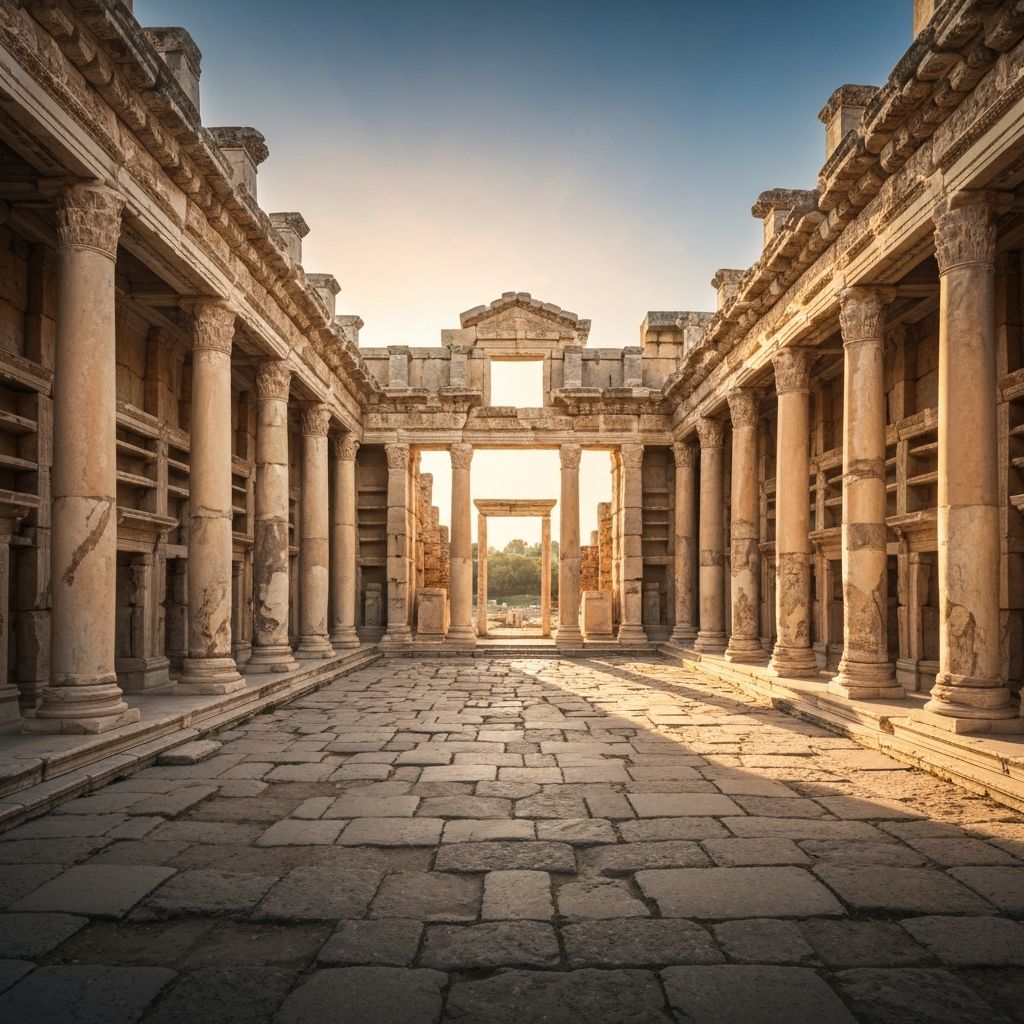
What Happened in Pergamon in 133 BC?
In one of history's most unusual transfers of power, King Attalus III bequeathed his entire kingdom to the Roman Republic upon his death in 133 BC. This peaceful transition, unprecedented in the ancient world, made Pergamon the capital of the new Roman Province of Asia.
Scholars debate Attalus III's motivations. Some suggest he wished to prevent civil war, while others believe he wanted to protect his people from potential conquest. Regardless of his reasons, the bequest transformed Rome into a major power in the eastern Mediterranean.
Prosperity Under Roman Rule
Rather than declining, Pergamon flourished under Roman administration. The city became a center of the Imperial Cult, with temples dedicated to Augustus and later emperors. The Asklepion reached its zenith as a healing sanctuary, attracting patients from across the empire.
The famous physician Galen practiced at the Asklepion in the 2nd century AD, making discoveries that would influence medicine for over a millennium. Pergamon remained an important city until the Byzantine period, when earthquakes and changing trade routes led to its gradual decline.
Why is Pergamon Called "Satan's Throne"?
In the Book of Revelation (2:12-17), the risen Christ addresses the church at Pergamon, saying: "I know where you dwell, where Satan's throne is." This enigmatic phrase has captivated scholars and pilgrims for centuries.
Several theories attempt to explain this reference:
- 1.The Great Altar of Zeus: This massive structure, with its throne-like appearance, may have symbolized pagan worship to early Christians.
- 2.The Imperial Cult: Pergamon was the first city in Asia to build a temple to a living Roman emperor, making it a center of emperor worship.
- 3.The Asklepion:The healing sanctuary's serpent symbolism (associated with Asklepios) may have been seen as demonic by Christians.
Today, Pergamon remains an important site for religious pilgrims exploring the Seven Churches of Revelation mentioned in the New Testament.
What is Pergamon Called Today?
The ancient city of Pergamon lives on in the modern Turkish town of Bergama, located in Izmir Province. The archaeological site, inscribed as a UNESCO World Heritage Site in 2014, attracts visitors from around the world who come to walk among the ruins of this once-great kingdom.
While much of the Great Altar now resides in Berlin's Pergamon Museum, the Acropolis, Theatre, Asklepion, and Red Basilica remain powerful testimonies to Pergamon's enduring legacy.
Explore the Attractions